The Positives of Artificial Grass Installation: A Low-Maintenance Landscaping Option
Synthetic turf installation constitutes a sensible approach to address contemporary landscaping demands. It provides environmental advantages through reducing water usage and preventing hazardous chemical application. In addition, its strength and lively appearance lower maintenance needs and spending. As outdoor areas develop, the desirability of artificial turf continuously expands. Yet, grasping its entire array of perks is important to make a sound choice. What particular perks could impress property owners considering this solution?
The Environmental Rewards of Artificial Grass
While countless homeowners seek aesthetically pleasing landscapes, the environmental benefits of artificial grass offer persuasive reasons for its placement. Artificial grass markedly reduces water consumption, an essential factor in regions vulnerable to drought. Traditional lawns necessitate considerable irrigation, contributing to water scarcity; however, synthetic turf removes this need, conserving a crucial resource.
Furthermore, synthetic turf reduces the use of chemical treatments, which can harm local ecosystems. By decreasing chemical runoff, it safeguards soil and water sources from contamination. Additionally, artificial turf does not need mowing, which reduces air pollution and sound associated with lawn maintenance equipment.
Moreover, it establishes a home for urban organisms, as some artificial grass types are fashioned to foster biodiversity. As homeowners increasingly champion sustainability, the environmental pluses of artificial grass represent a cutting-edge solution for forming green spaces that embrace ecological values.
Save Hours and Budget With Artificial Grass
Artificial grass provides significant financial advantages by drastically reducing water usage and reducing upkeep expenses. Homeowners can appreciate lush, green lawns without the ongoing upkeep associated with natural grass. As a result, both time and money are saved, making artificial turf an appealing choice.
Decreased Water Demand
Many property owners are discovering the significant benefits of decreased water consumption that result from installing artificial grass. Unlike natural lawns, which need substantial irrigation to maintain their appearance, artificial grass stays vibrant without any additional water. This reduction in water consumption not only saves a crucial resource but also helps homeowners lower their water bills considerably. In regions facing drought or water restrictions, artificial grass provides an environmentally friendly alternative, ensuring that outdoor spaces remain lush and inviting without the need for constant watering. By selecting artificial grass, homeowners contribute to sustainable landscaping practices while enjoying a beautiful yard that requires minimal water, making it a smart choice for those looking to reduce their ecological footprint.
Minimize Repair Costs
Converting a yard with artificial turf significantly trims down maintenance costs for homeowners. Traditional lawns necessitate regular mowing, fertilizing, and pest control, all of which can be lengthy and pricey. In contrast, artificial grass does away with the requirement for these services, resulting in notable savings over time. Homeowners no longer encounter the difficulty of maintaining equipment or hiring landscaping professionals. Furthermore, no water is needed, which lowers utility bills even further. The durability of artificial grass also means fewer replacements and repairs, enhancing its cost-effectiveness. With minimal maintenance necessary, homeowners can enjoy a pristine landscape without the continual financial obligation of natural grass upkeep. This makes artificial grass an attractive choice for those searching for a budget-friendly landscaping solution.
Why Lifelike Turf Looks Wonderful in Your Yard
Lifelike turf improves a yard with its realistic look and feel, closely mimicking real grass. Its year-round vibrant color ensures a lush, inviting landscape regardless of the season. This blend of visual beauty and reliability makes artificial grass a standout choice for homeowners.
Natural Appearance and Texture
Although some may question the visual appeal of artificial grass, its authentic look and tactile feel often challenge such skepticism. Advanced technological developments have produced synthetic turf that accurately mirrors the texture and look of natural grass. The precisely engineered fibers replicate the nuances of natural blades, delivering an authentic tactile and visual experience. This development allows homeowners to get a verdant green landscape free from the drawbacks of regular grass, like fading or patchiness. Moreover, the extensive variety of surface variations offered ensures that individuals are able to pick a turf that ideally matches their outdoor setting. Ultimately, the lifelike quality of artificial turf improves the appeal of your landscape, making it an appealing yard solution.
Year-Round Vibrant Color
One of the notable characteristics of artificial grass is its ability to maintain vibrant color across the year. Unlike organic turf, which can fade or turn brown with changing seasons, synthetic grass remains lush and green regardless of weather conditions. This uniformity enhances the overall appearance of any landscape, offering a welcoming environment for both homeowners and visitors. The advanced technology used in creating lifelike turf guarantees that colors are not only vivid but also resistant to UV rays, preventing fading over time. Additionally, the uniform appearance of artificial grass eliminates patchy spots often seen in natural lawns, creating a polished look. As a result, homeowners can appreciate a attractive yard without the maintenance associated with traditional grass.
Pet-Safe Aspects of Artificial Grass
What steps do pet owners take to ensure their furry friends enjoy a secure and spotless outdoor environment? One practical approach is the installation of pet-friendly artificial grass. This artificial turf offers a soft and cushioned surface that is paw-friendly, making it ideal for pets to play and roam freely. Unlike natural grass, artificial turf is durable against muddy patches and unsightly wear, guaranteeing a tidy outdoor space.
Moreover, several types of artificial grass are crafted with drainage systems that allow urine and moisture to filter through, preventing unpleasant odors and maintaining the area hygienic. The materials used in artificial grass are also safe, offering peace of mind to pet owners mindful of their pets' health. Furthermore, its durability ensures it can withstand vigorous play, making it a resilient choice for families. As a result, pet-friendly artificial grass efficiently combines safety, comfort, and low maintenance for a peaceful outdoor experience.
Upkeep Made straightforward: Maintaining Your Grass
Taking care of synthetic turf is easy, permitting pet owners to focus on enjoying their outdoor space with their beloved pets. Unlike natural grass, artificial turf demands minimal care. Consistent brushing is important to copyright its appearance, helping to lift the threads and keep them staying vibrant. Pet waste can easily be disposed of; a straightforward spray with water is often sufficient. For stubborn stains or odors, a gentle cleaning solution can be utilized.
Occasional spraying is also useful to remove dirt and debris. In addition, confirming sufficient drainage is important to hinder any accumulation of water or odors. During severe weather, such as heavy snowfall, a light rake can help preserve the surface clear. By following these straightforward upkeep tasks, artificial grass proves to be an lovely and dependable element to any yard, establishing it as an superb selection for pet owners seeking a hassle-free outdoor experience.
Guide to a Smooth Artificial Grass Installation
Developing an artificial grass installation plan requires careful consideration to achieve a seamless installation. To begin, ground preparation that is thorough is essential. This involves removing debris from the space, existing grass, and weeds, then leveling the ground to form a stable foundation. Then, a landscape fabric should be positioned to prevent weed growth and improve drainage.
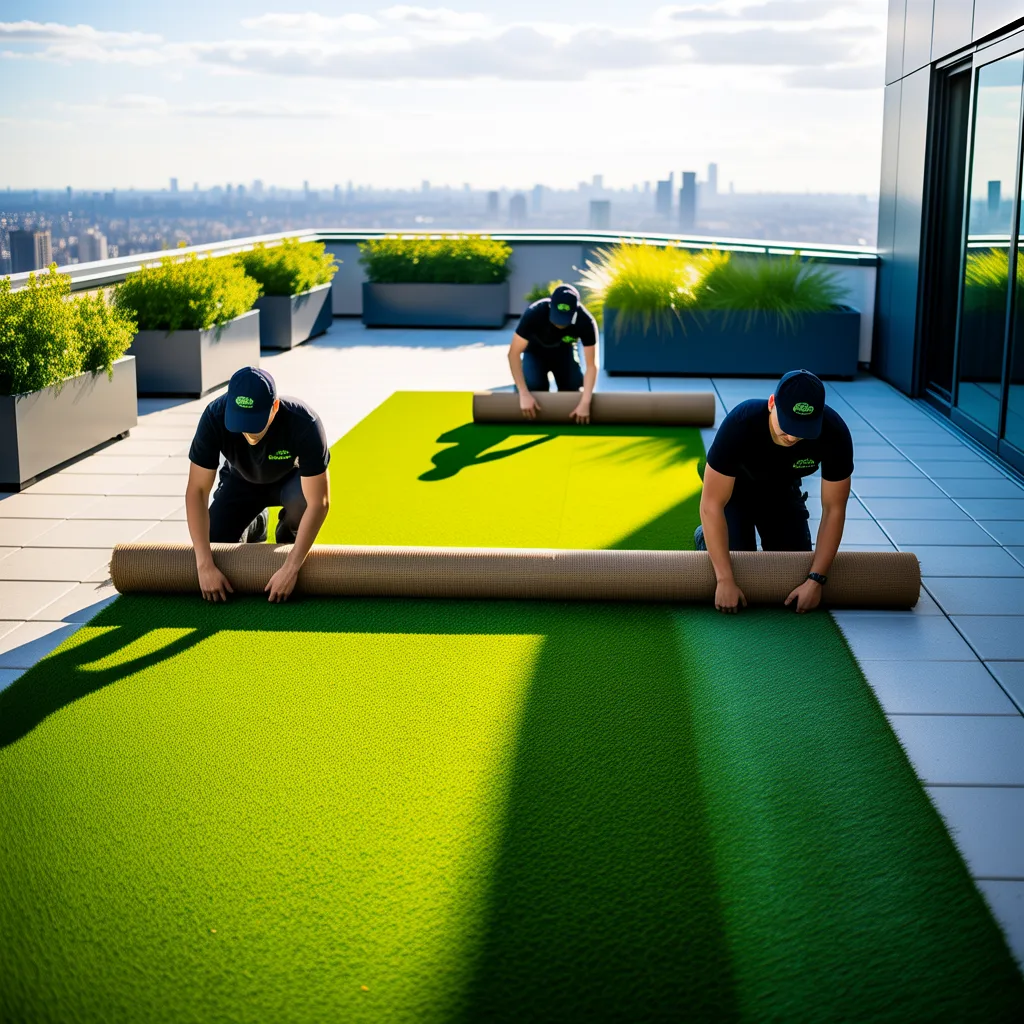
Once the base is constructed, the installer should lay down a composite of aggregate or decomposed granite to achieve the desired drainage and firmness. After compacting this layer, the artificial grass rolls can be unrolled and sectioned to fit the designated area.
Fasten the boundaries using landscape staples or adhesive, confirming the seams are closely fitted for a natural appearance. In the end, infill materials such as silica sand or rubber granules should be applied to increase durability and mimic the feel of real grass. Correct installation guarantees longevity and ideal performance of the artificial turf.
Tips for Choosing and Analyzing Artificial Grass Solutions
Selecting the right material artificial grass involves evaluating various options to guarantee suitability for specific needs. Key factors to contemplate include pile height, which affects look and feel, and fiber type, with options ranging from polyethylene to nylon, each offering distinct longevity and texture.
In addition, you ought to review the bulk and heaviness of the grass, as these characteristics influence resilience under foot traffic. Color selections furthermore play a crucial role, with choices obtainable from realistic greens to more intense shades, catering to personal preferences.
It is critical to review upkeep specifications and warranty terms provided by different manufacturers, ensuring sustained satisfaction and dependable performance. Finally, seeking samples can contribute to evaluating texture and aesthetics firsthand, allowing for a more deliberate judgment. By mindfully analyzing these aspects, individuals can choose artificial grass that meets both practical and design criteria effectively.
Frequently Asked Questions
Is Artificial Grass Appropriate for Kids to Have fun On?
Artificial grass is usually safe for children to enjoy playing, as it is constructed to be safe from toxins and clear of harmful chemicals. Additionally, its soft surface lowers the likelihood of injuries during playtime activities.
How Long Does Artificial Grass Usually Last?
Artificial grass commonly lasts 15 to 25 years, contingent upon factors such as quality, application, and environmental conditions. Correct maintenance can extend its durability, offering a resilient and beautiful surface for different purposes.
Does Man-made Grass Increase Property Value?
Artificial grass can increase property value by presenting an visually stunning, hassle-free option instead of natural lawns. Prospective buyers often favor the lower upkeep and consistent visual appeal, making properties with artificial grass more sought-after in the market.
Which Regions Work Best with Artificial Grass?
Artificial grass thrives in different climate zones, particularly in areas with moderate temperatures and low rainfall. It performs well in areas with hot conditions, dry spells, or scarce water supply, providing a durable option for varied ecological settings.
What Effects Does Synthetic Lawn Have on Local Wildlife?
Artificial grass may harm local fauna by reducing natural habitats, limiting food sources, and forming obstacles for small animals. However, it may also provide a safe, clean environment for pets and play areas.